
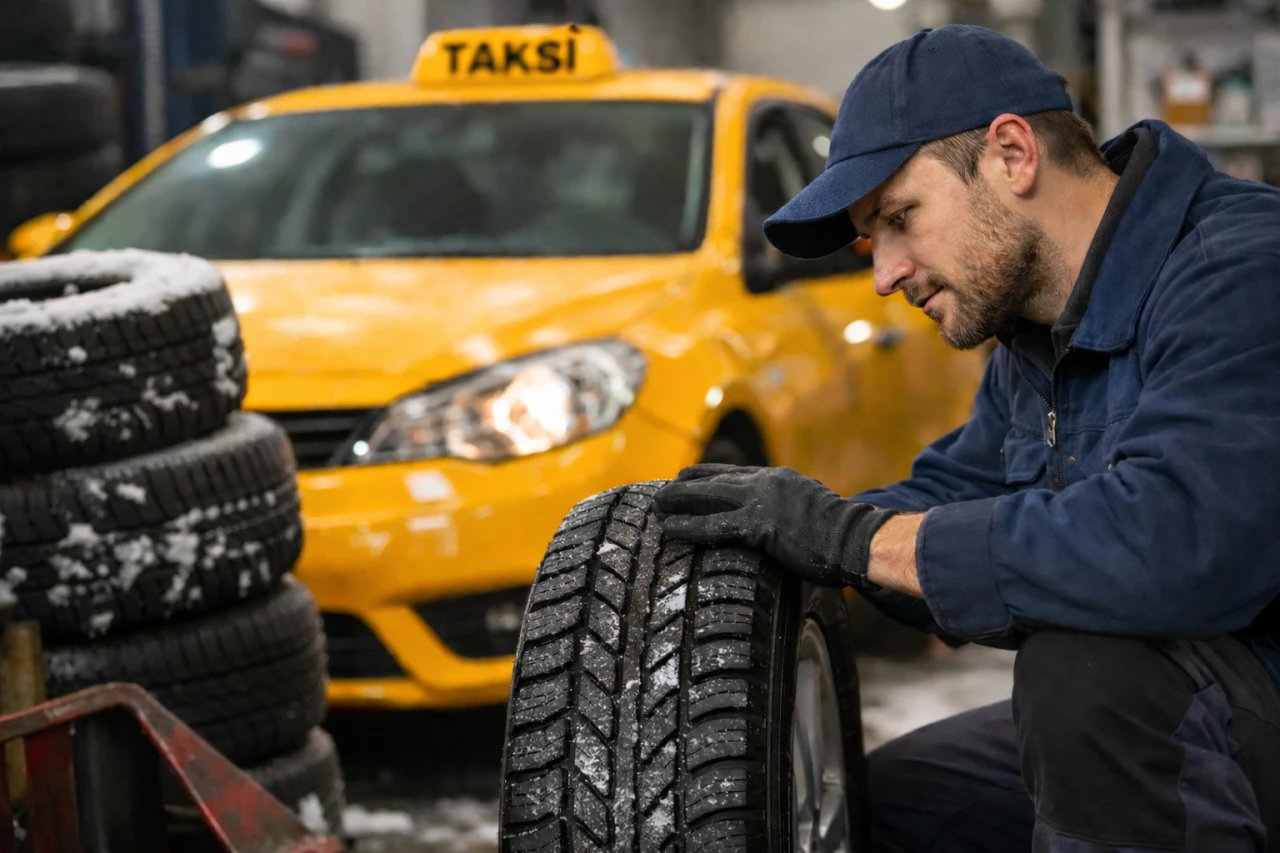
Choosing tires for commercial vehicles is often a postponed decision, or even something not considered "until it's absolutely necessary." However, especially for vehicles like taxis that spend a large part of the day in traffic, tires are not just the point of contact between the road and the vehicle; they are a fundamental component of profitability, safety, and business sustainability .
The shared experience of many vehicle owners working with Kale Taxi shows that businesses using the right tires in the right season not only ensure safer driving but also achieve reduced fuel consumption, lower maintenance costs, and longer vehicle lifespan .
For individual car users, tire selection may be limited to comfort. However, the situation is different for commercial vehicles. Taxis, which drive a high average of daily kilometers, risk the safety of both driver and passengers with tires that have poor grip or are not suitable for the season. Furthermore, choosing the wrong tires increases fuel costs, which may seem insignificant at the end of the month.
Fleet analyses conducted by Kale Taxi clearly show that vehicles using season-appropriate tires experience a significant reduction in annual fuel costs. This demonstrates that tires are not just a technical detail, but a financial decision .
Tires used in the summer months are manufactured with a hardness suitable for hot asphalt conditions. Thanks to this structure, the tire makes more balanced contact with the road surface and experiences less energy loss during driving. This is especially important for taxis that constantly stop and start in city traffic.
In commercial vehicles equipped with the correct summer tires;
In Kale Taxi's vehicle evaluation processes, it is frequently observed that vehicles that do not install summer tires on time both shorten tire life and waste fuel unnecessarily throughout the summer.
Winter tires are often perceived simply as a legal requirement. However, for commercial vehicles, winter tires are a vital element for business continuity. Thanks to their rubber compound that doesn't harden in cold weather, winter tires enable vehicle control even on slippery surfaces.
A minor accident or tire malfunction during the winter months;
This can lead to a chain reaction of problems. Therefore, Kale Taxi doesn't just tell its partners to "install winter tires"; it also provides guidance on timing, tire condition, and usage duration .
While all-season tires sound appealing, they aren't always ideal for commercial use. They might be a reasonable option in temperate climates and for low-mileage vehicles; however, performance loss is inevitable for vehicles that are constantly in use, such as taxis.
According to Kale Taxi's experience, commercial vehicles using all-season tires:
Therefore, in professional use, a tire strategy appropriate for the season always yields better results.
Yes, and more than you might think. Choosing the wrong tires or using low tire pressure causes the engine to produce more power. This directly affects fuel consumption. In the long run, small differences can turn into significant costs.
Cost analyses conducted by Kale Taxi show that commercial vehicles using the correct tires and correct tire pressure can save between 5% and 10% on annual fuel costs. This is a significant advantage, especially for businesses with multiple vehicles.
Choosing seasonal tires for commercial vehicles isn't just a matter of safety or legal compliance. This choice directly impacts profitability, customer satisfaction, and vehicle lifespan . Especially in taxi operations, using the right tires is a cornerstone of a sustainable business model.
Kale Taxi aims to secure not only the present but also the long-term performance of taxi and commercial vehicle owners through its consulting and solution-oriented approach.
The right tire, at the right time, and with the right usage…
When these factors come together, a safe and profitable driving experience becomes inevitable.

Taxi licenses are one of the most sought-after areas due to their investment value, rental income potential, and limited supply. However, accessing accurate information about bu...
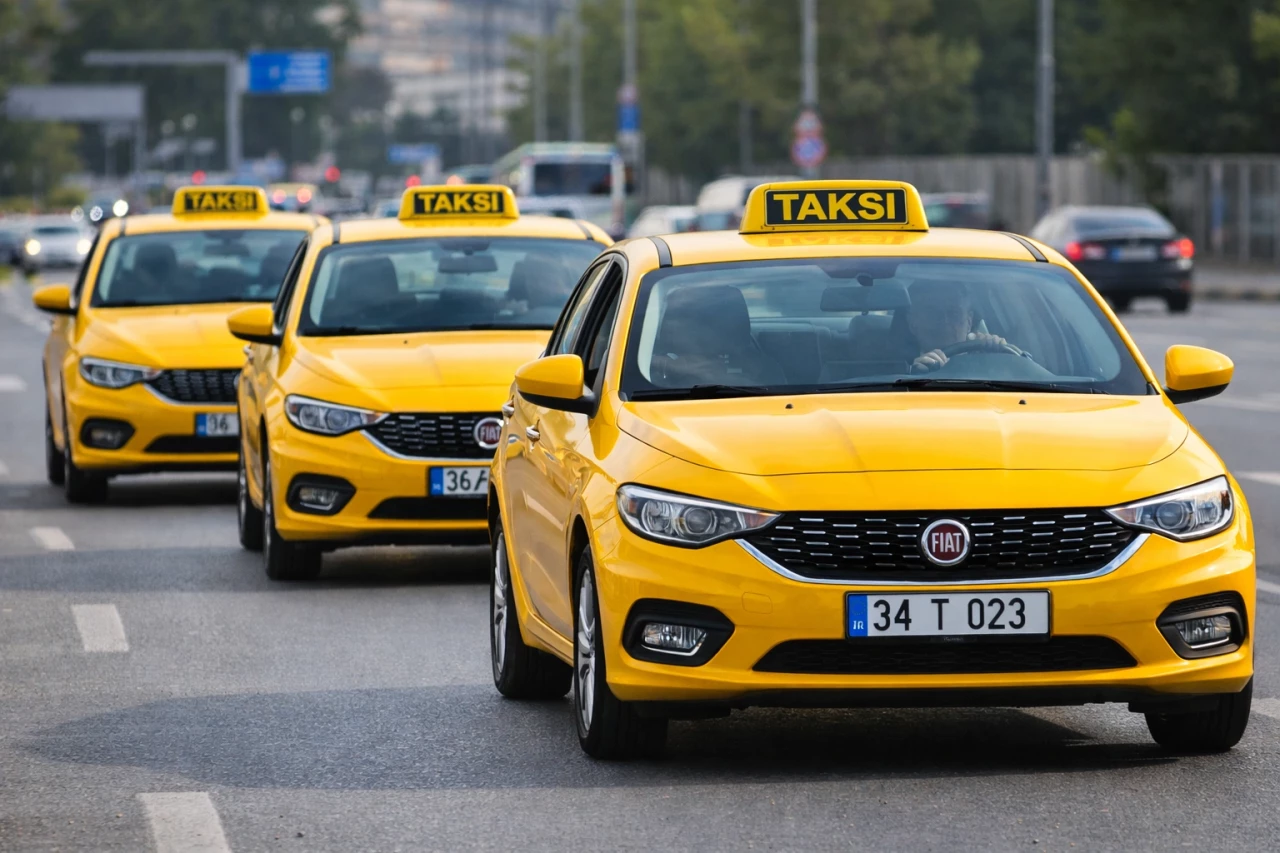
A carefully selected used taxi vehicle stands out with its low purchase cost, quick commissioning, and sustainable business advantages. However, finding reliable listings and ac...
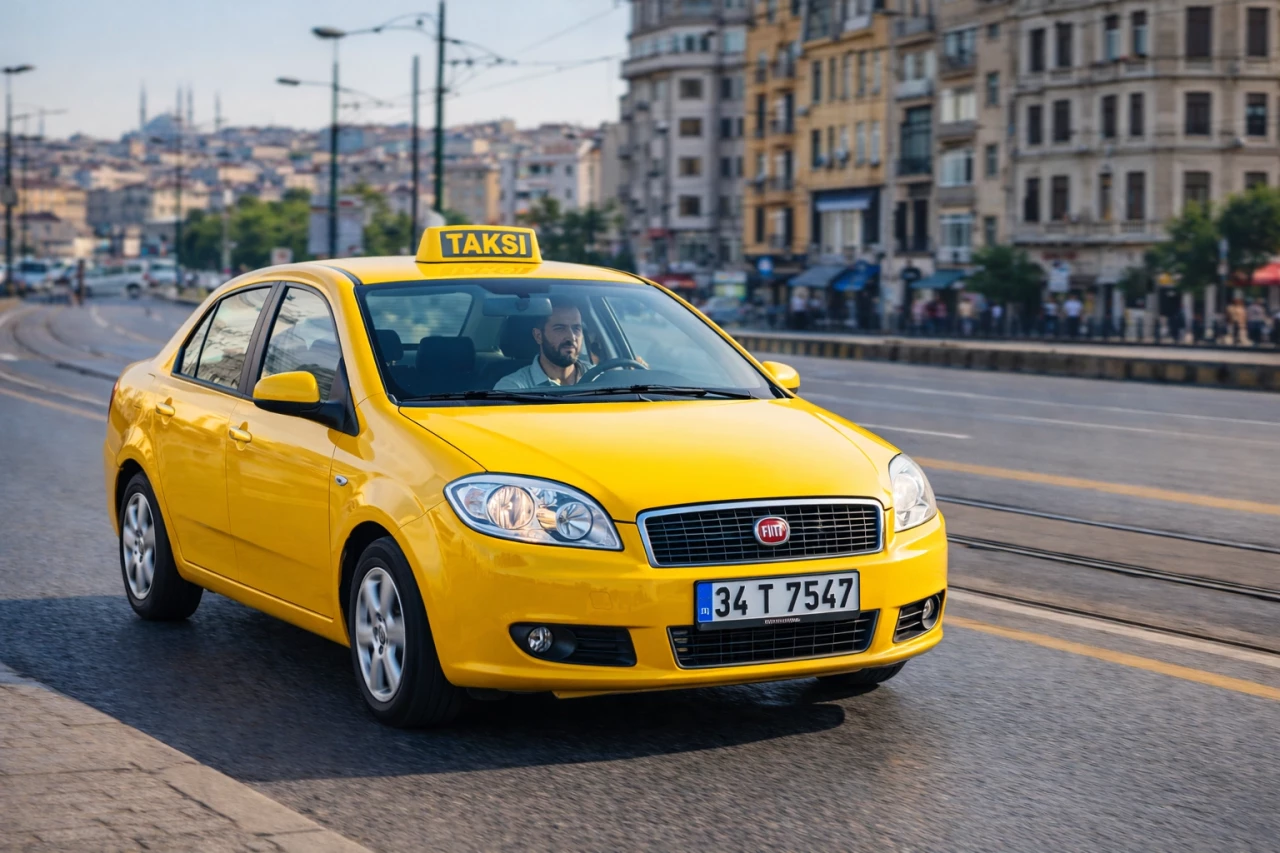
One of the biggest mistakes frequently encountered in the market is focusing solely on the current value of a license plate. However, in a dynamic city like Istanbul, where regu...

The three main colors of Istanbul's traffic – Yellow, Turquoise, and Black taxis – define the boundaries of both passenger comfort and investor profit. At Kale Taxi, with ou...
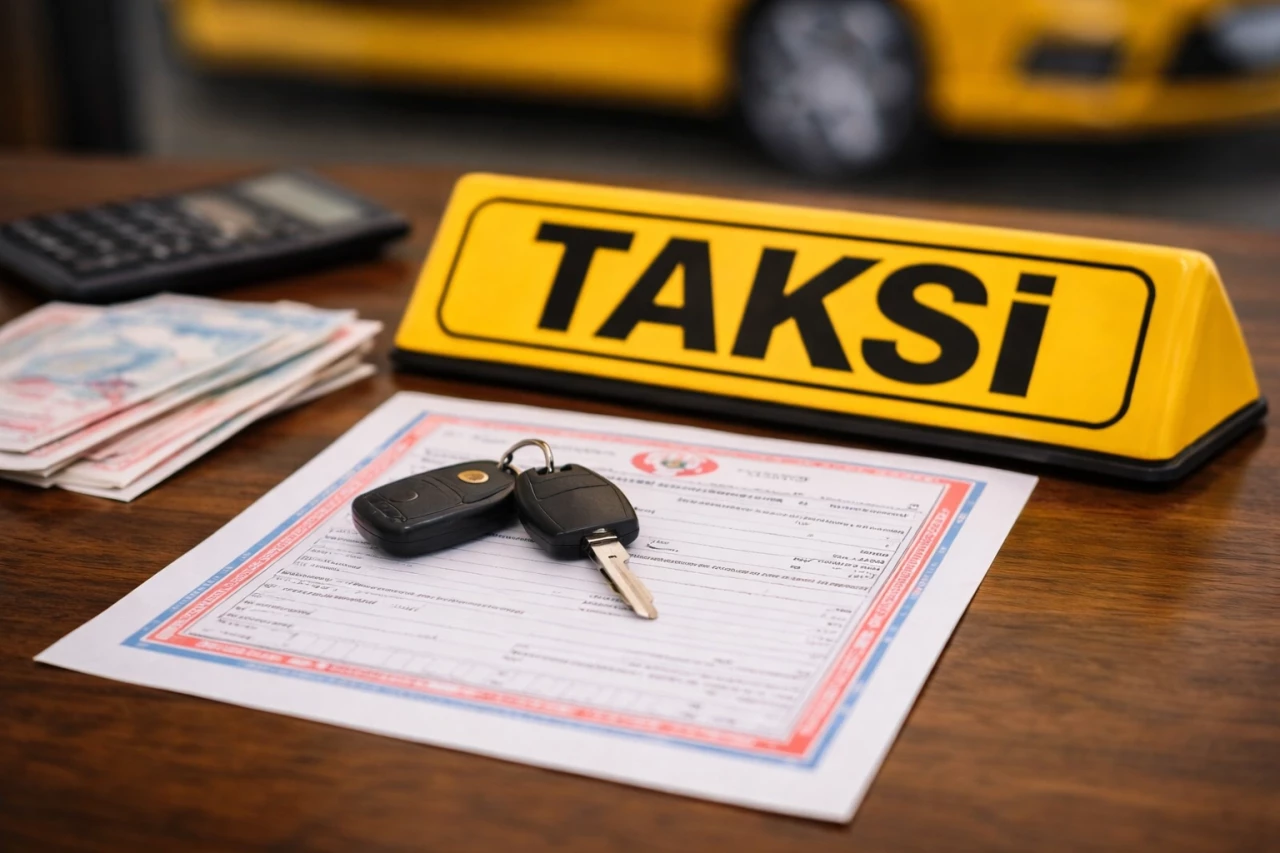
Acquiring a taxi license can be a profitable investment if the right steps are taken; however, if the process is not managed consciously enough, it can also lead to serious prob...
The shared experience of many vehicle owners working with Kale Taxi shows that businesses using the right tires in the right season not only ensure safer driving; they also achi...
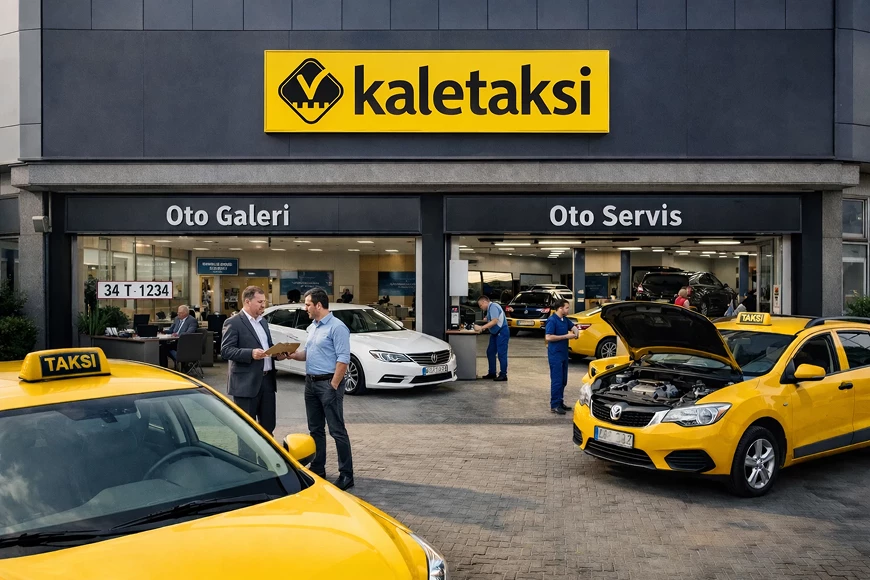
In a metropolis like Istanbul, owning a taxi license is considered one of the most prestigious and stable investment vehicles in the world. However, simply buying the license is...

(Fraud Risks, Legal Procedures, and Safe Purchasing Methods) Purchasing a taxi license is a significant investment for many investors, providing a regular income and maintaining...
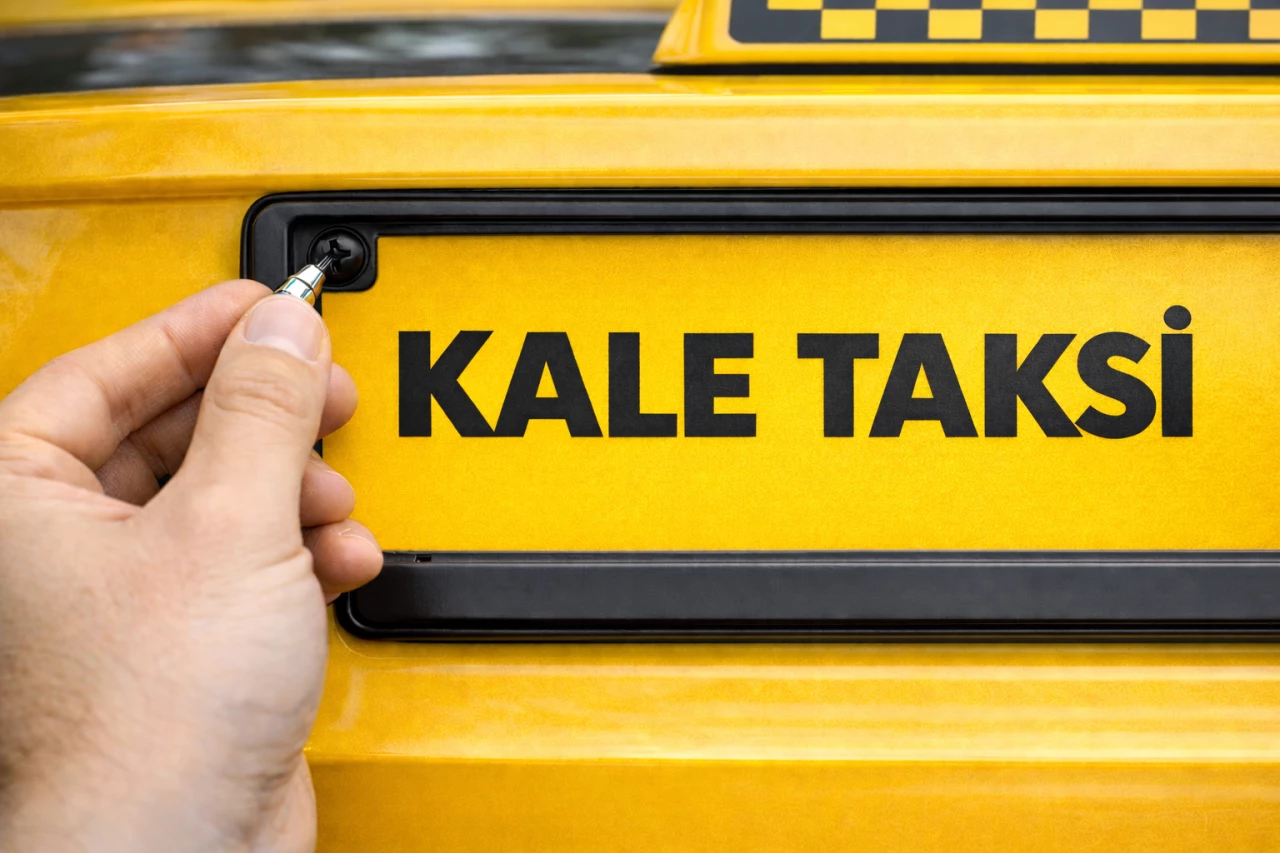
The license plates of the vehicles we pass every day in traffic often go unnoticed. Yet, a license plate, especially for taxis and commercial vehicles, is more than just a numbe...
