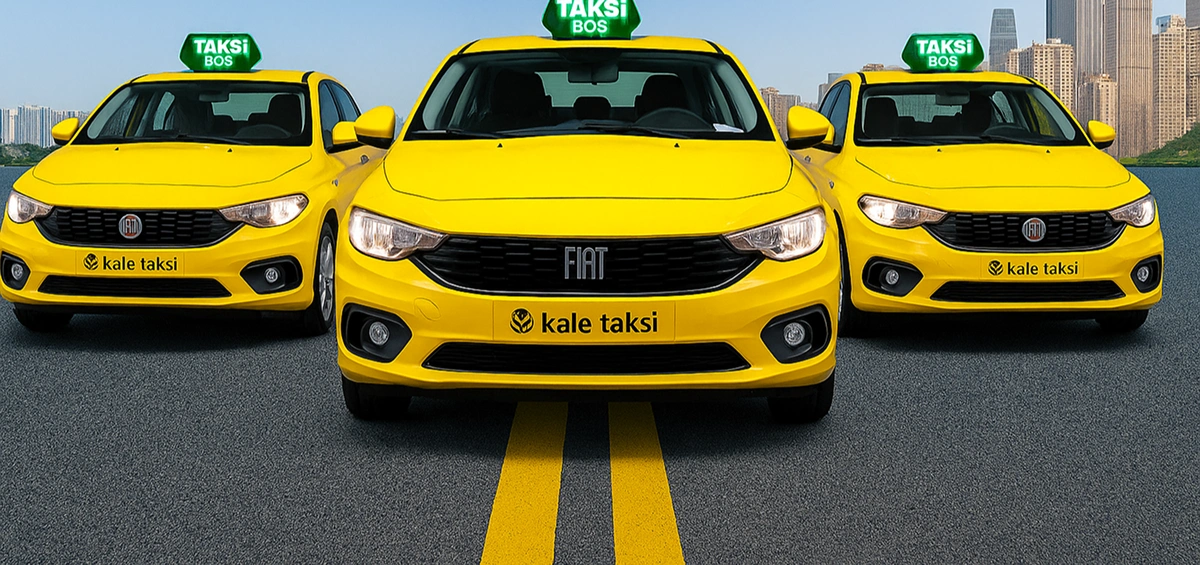

A taxi license plate is a work permit issued by the municipality/relevant authorities that allows a vehicle to operate as a commercial taxi . The license plate right continues even if the vehicle is changed (there may be conditions according to local legislation and practice). Therefore, the license plate is often considered an "asset independent of the vehicle": its purchase, sale, transfer, and leasing are discussed.
Because in many cities, the supply of license plates is limited and the demand is constant. License plates;
The price is generally determined by the following factors:
It completely depends on your goal:
For a sound financial calculation, don't just look at "rent":
The most critical risks are:
Liens or encumbrances can make vehicle transfer difficult or impossible. In some cases, the debt must be settled and the encumbrance removed. Such restrictions mean both time and risk for the buyer. Official records should always be checked before any transaction.
Generally, the process is (may vary depending on the city's procedures)
The processing time depends on the completeness of the documents, the workload of the institution, and whether there are any restrictions on the license plate. If the documents are complete and the license plate is "clean," the process proceeds faster; situations such as liens or encumbrances will prolong the process.
The safest approach:
The contract must be clear:
This depends on both legislation and contractual arrangements. In practice, in situations such as traffic fines/accidents, different liability categories may arise among the vehicle owner, driver, operator, and license plate holder. Therefore, the contract should clearly state "who is responsible for what in which situation." Furthermore, the insurance and policy coverage must be properly structured.
Yes, it's possible in many places. However, factors such as company type, tax/bookkeeping regulations, and how income is recorded become important. Obtaining it through a company can offer advantages or additional burdens in terms of accounting/tax planning for some investors.
In general, income derived from a vehicle registration certificate (rental/business income) can give rise to tax liabilities . The individual's status (individual/company), income model, and record-keeping are important. Since this is a "very critical" issue regardless of the city, it's necessary to clarify it with an accountant/expert before the transaction.
Some banks may offer financing with different collateral requirements under commercial loan programs. However, not every bank and every case is the same. The likelihood of obtaining a loan varies depending on income documentation, collateral structure, and the bank's willingness to cooperate. Alternative financing methods (such as installment payments and contractual payment plans) are also available on the market.
Generally, taxi vehicles must meet certain criteria (age, type, equipment, etc., which may vary depending on city regulations). While changing vehicles is often possible, there may be relevant institutional procedures, licensing processes, and compliance requirements.
Main reasons:
An increase in supply could theoretically put downward pressure on prices; however, the impact varies depending on the size of the supply, the strength of demand, urban transportation dynamics, and the nature of the regulation. In news like this, it's necessary to act based on scenario analysis, not panic.
The list of required documents may vary depending on the city and institution, but generally:
Taxi licenses are one of the most sought-after areas due to their investment value, rental income potential, and limited supply. However, accessing accurate information about bu...
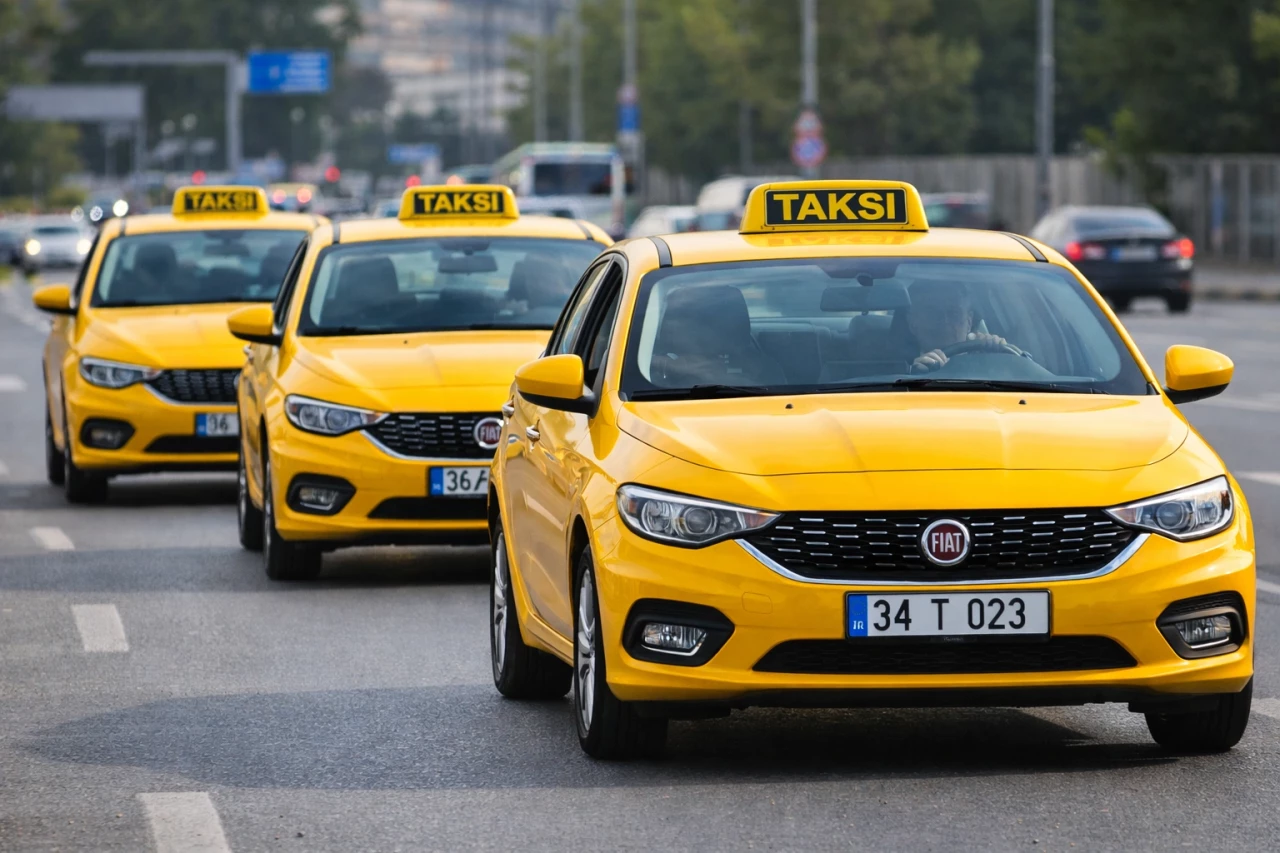
A carefully selected used taxi vehicle stands out with its low purchase cost, quick commissioning, and sustainable business advantages. However, finding reliable listings and ac...
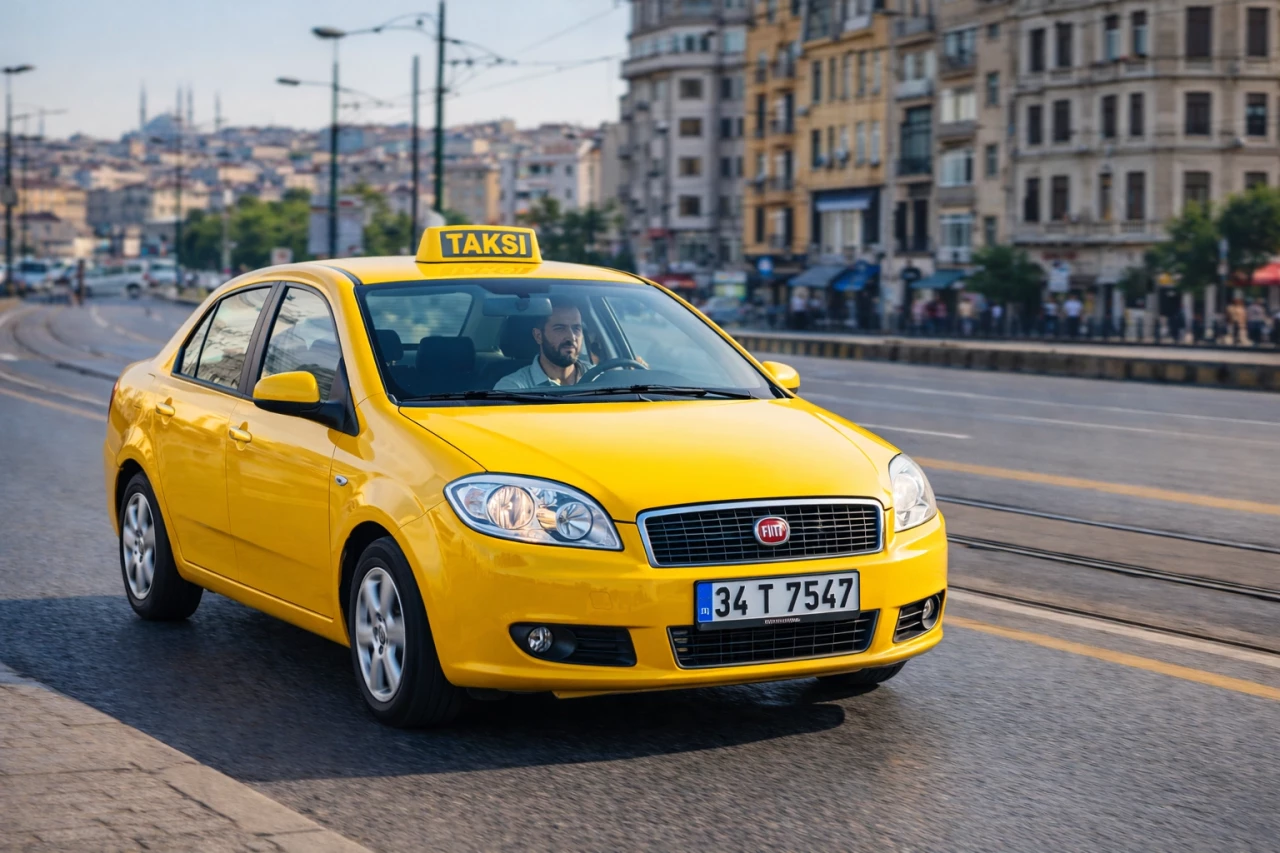
One of the biggest mistakes frequently encountered in the market is focusing solely on the current value of a license plate. However, in a dynamic city like Istanbul, where regu...
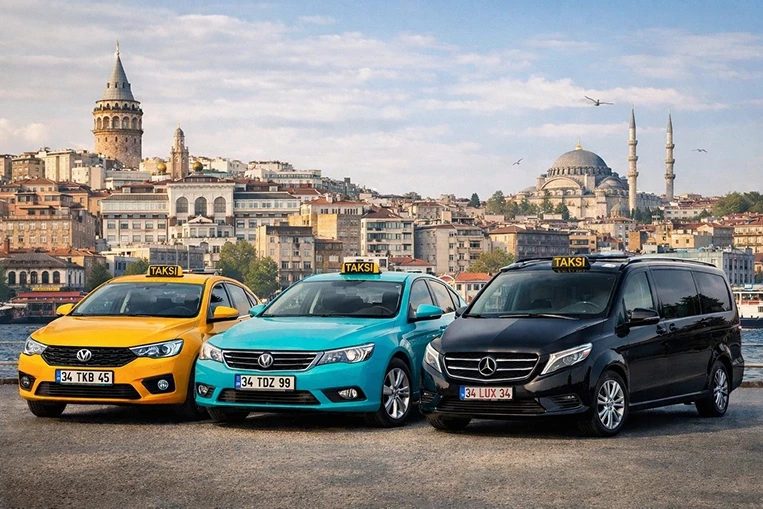
The three main colors of Istanbul's traffic – Yellow, Turquoise, and Black taxis – define the boundaries of both passenger comfort and investor profit. At Kale Taxi, with ou...
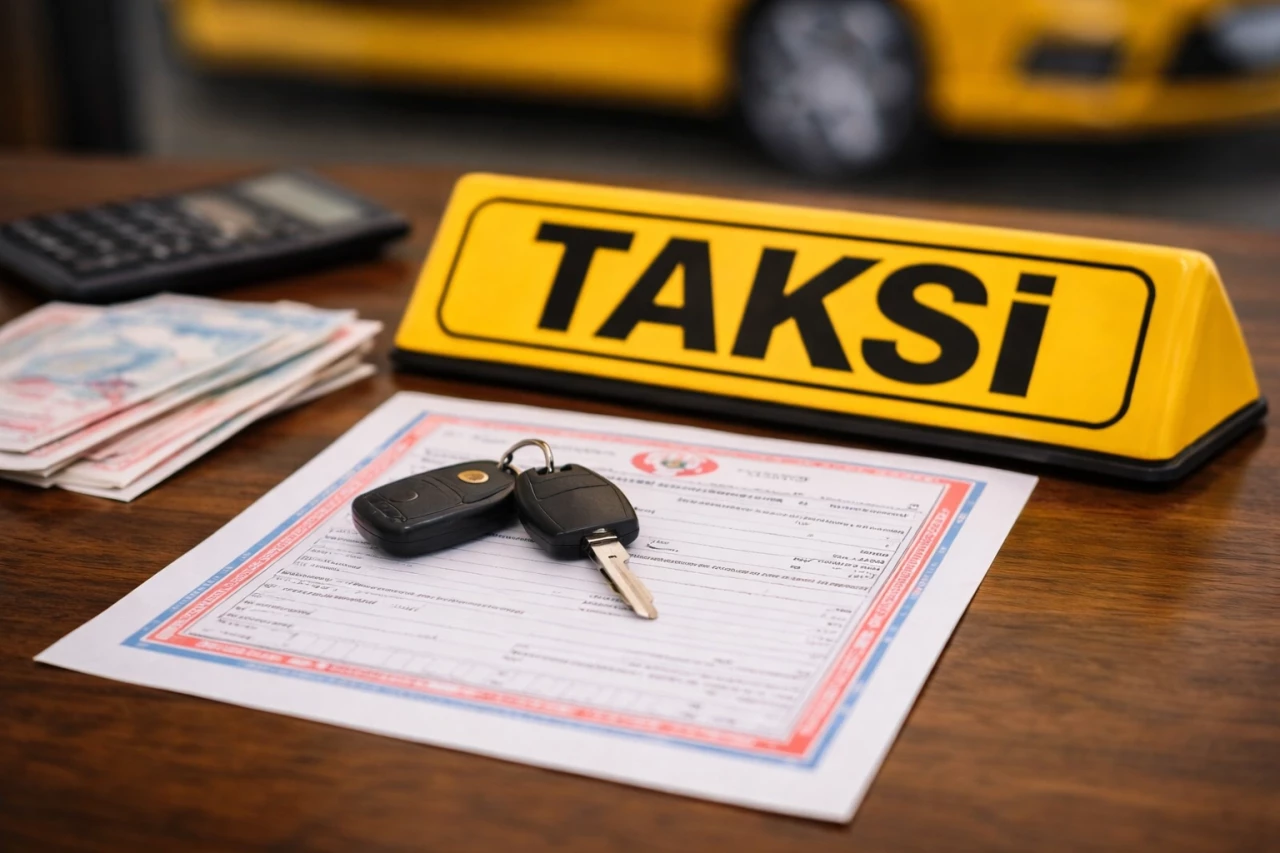
Acquiring a taxi license can be a profitable investment if the right steps are taken; however, if the process is not managed consciously enough, it can also lead to serious prob...

The shared experience of many vehicle owners working with Kale Taxi shows that businesses using the right tires in the right season not only ensure safer driving; they also achi...

In a metropolis like Istanbul, owning a taxi license is considered one of the most prestigious and stable investment vehicles in the world. However, simply buying the license is...

(Fraud Risks, Legal Procedures, and Safe Purchasing Methods) Purchasing a taxi license is a significant investment for many investors, providing a regular income and maintaining...

The license plates of the vehicles we pass every day in traffic often go unnoticed. Yet, a license plate, especially for taxis and commercial vehicles, is more than just a numbe...
