

Vehicle inspections are a primary process that directly impacts traffic safety and are mandatory for every vehicle in our country. However, many drivers arrive unprepared for their inspection, leading to wasted time and the need to reschedule. However, with proper preparation, passing a vehicle inspection is remarkably easy. In this guide, we explain step-by-step what to do before your vehicle inspection, address the most common mistakes, and share tips for a smooth inspection experience.
The field experience of professional vehicle and taxi companies like Kale Taxi also supports the information contained in this guide. Throughout the content, information on vehicle inspections , pre-inspection checks , and considerations for vehicle inspections are shared.
A vehicle inspection is an official check that determines whether a vehicle is roadworthy. Vehicles that are not inspected or fail are considered a safety hazard and are subject to penalties. Therefore, it is crucial for every driver to monitor their vehicle's inspection schedule and prepare their vehicle on time.
As Kale Taxi, we recommend making preparations a few weeks in advance of the inspection date as the best method to prevent possible surprise malfunctions.
It's essential to make an appointment before going for a vehicle inspection. If you don't make an appointment, you may have to wait a long time or find a place to get in.
Things to consider when making an appointment:
It has been determined that 60% of the delays due to appointment density are due to appointments made on the last day .
One of the most critical points checked during the inspection is the mechanical systems. Most vehicles experiencing problems in this area fail the inspection.
The following sections must be checked:
✔ Brake system
The slightest imbalance in the brake system is considered a serious defect .
✔ Steering and suspension
If you hear noise while driving, your chances of passing the inspection will decrease.
✔ Condition of tires
Tires are one of the fastest eliminated items in the inspection.
The most common minor and major defects encountered during vehicle inspection are in lighting.
Lighting that needs to be checked:
Many vehicles fail inspections even if the headlights are misaligned. Therefore, it's crucial to have your headlights adjusted before the inspection.
Control of electronic systems is very important in modern vehicles.
Things to check:
If the malfunction lamp is on, it is considered a serious defect during inspection.
Although many drivers do not pay attention to this point, vehicle cleanliness makes the inspector's job easier and allows the inspection to proceed more quickly.
Kale Taxi has made it a standard practice to perform a quick cleaning of the interior and exterior surfaces of the vehicle before the inspection.
There are certain documents that you must have with you when going for vehicle inspection:
Inspection cannot be performed with missing documents.
Exhaust emissions measurement is a more frequent inspection, especially for diesel vehicles. If the measurement period has passed, the inspection is not accepted.
Things to consider:
25% of taxi vehicles are returned from inspection simply because of forgotten exhaust measurement .
During the inspection, every detail that affects the driver's field of vision is evaluated.
Excessively dark window film is considered a serious defect .
Mandatory equipment that must be in the vehicle before the inspection:
If one of these equipment is missing, it can be considered a slight defect , and if some of them are missing, it can be considered a serious defect .
Underbody inspections can reveal defects that most drivers are unaware of.
Checked points:
Oil leaks are one of the biggest obstacles to passing inspection.
According to TÜVTÜRK data and Kale Taxi's field analysis, the most common defects are:
These items must be checked in preparation for the examination.
✔ Are the headlights, signals and license plate lights working?
✔ Are the brake pads in good condition?
✔ Are there any cracks or bubbles in the tires?
✔ Is the engine malfunction light on?
✔ Is there an airbag or ABS error?
✔ Are exhaust emissions valid?
✔ Are the first aid kit and fire extinguisher complete?
✔ Do you have the license and insurance?
✔ Is the vehicle interior clean?
Drivers who follow this list will most likely pass the inspection in one go .

Taxi licenses are one of the most sought-after areas due to their investment value, rental income potential, and limited supply. However, accessing accurate information about bu...

A carefully selected used taxi vehicle stands out with its low purchase cost, quick commissioning, and sustainable business advantages. However, finding reliable listings and ac...

One of the biggest mistakes frequently encountered in the market is focusing solely on the current value of a license plate. However, in a dynamic city like Istanbul, where regu...

The three main colors of Istanbul's traffic – Yellow, Turquoise, and Black taxis – define the boundaries of both passenger comfort and investor profit. At Kale Taxi, with ou...
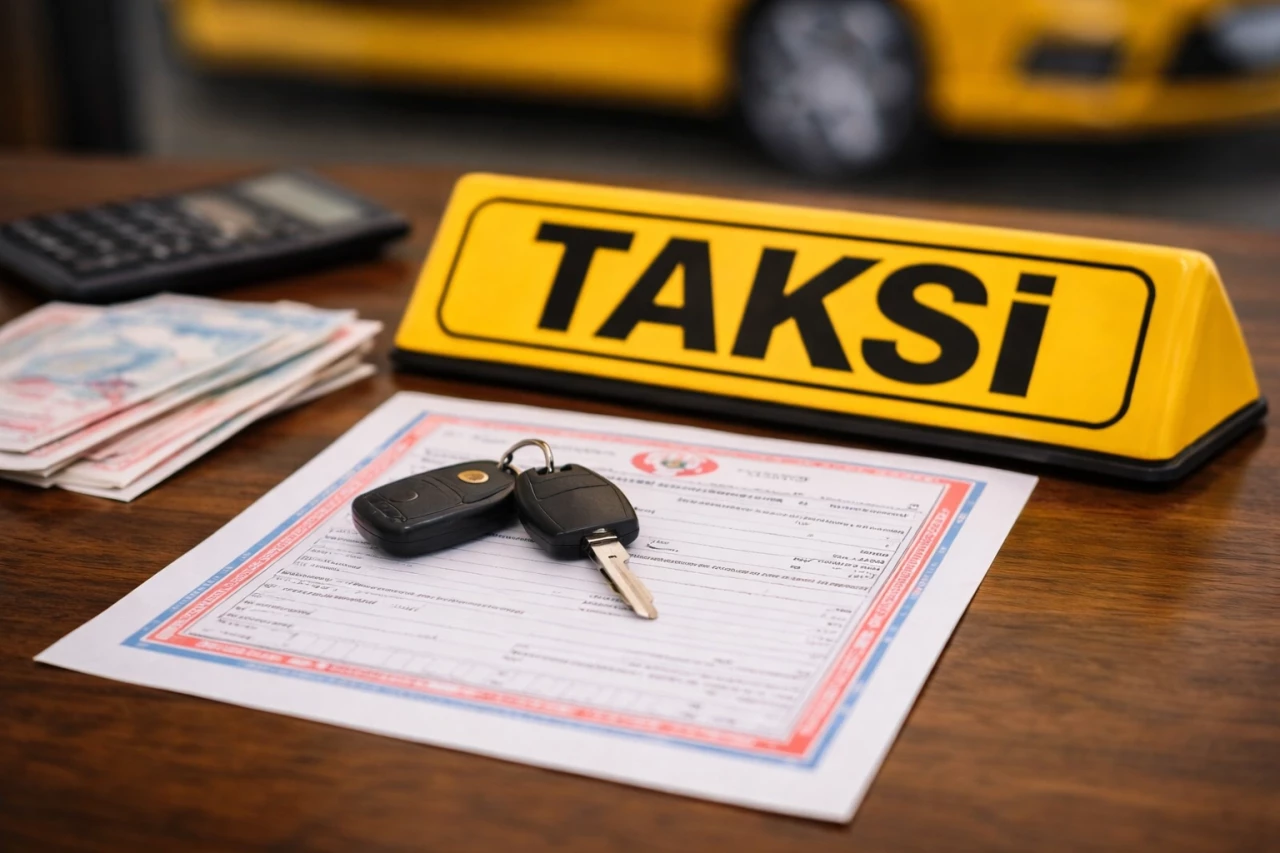
Acquiring a taxi license can be a profitable investment if the right steps are taken; however, if the process is not managed consciously enough, it can also lead to serious prob...

The shared experience of many vehicle owners working with Kale Taxi shows that businesses using the right tires in the right season not only ensure safer driving; they also achi...

In a metropolis like Istanbul, owning a taxi license is considered one of the most prestigious and stable investment vehicles in the world. However, simply buying the license is...

(Fraud Risks, Legal Procedures, and Safe Purchasing Methods) Purchasing a taxi license is a significant investment for many investors, providing a regular income and maintaining...
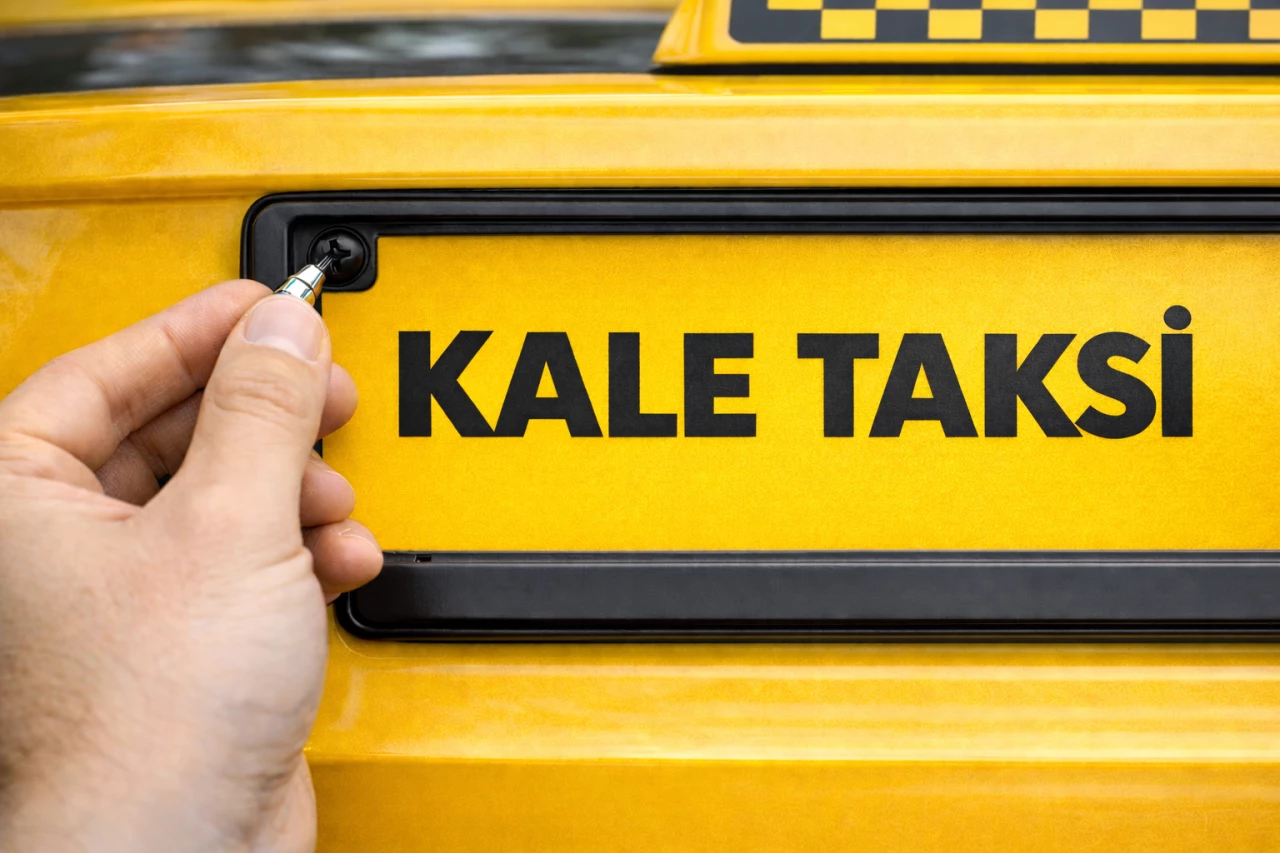
The license plates of the vehicles we pass every day in traffic often go unnoticed. Yet, a license plate, especially for taxis and commercial vehicles, is more than just a numbe...
